Cultural perspectives on cannibalism
Cannibalism isn't just a gruesome act; it's a complex cultural phenomenon. Explore how different societies have viewed and practiced cannibalism, revealing the diverse meanings behind this taboo.
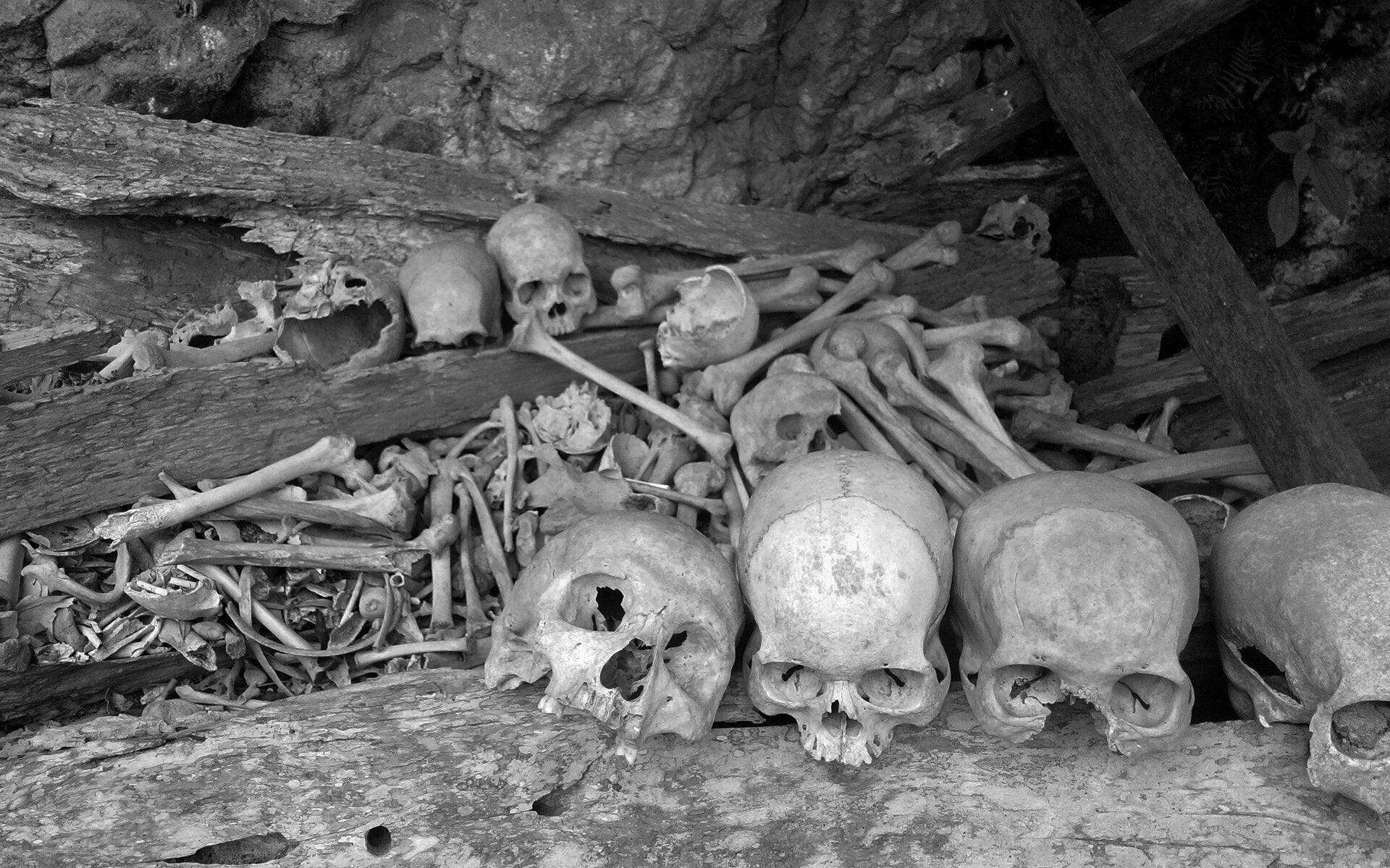
Beyond the taboo
Cannibalism, often seen as inherently evil, has held varied meanings across cultures. It wasn't always about violence or savagery. In many instances, it was deeply intertwined with spiritual beliefs, respect for the dead, and the cycle of life.

Spiritual and symbolic significance
Discover how certain cultures practiced cannibalism as a way to honor the deceased, absorb their strength, or ensure the continuation of their spirit within the community. Explore examples of endocannibalism (eating members of one's own group) and exocannibalism (eating outsiders) and their contrasting motivations.

A window into human history
Cannibalism offers a unique lens through which to examine human history, belief systems, and survival strategies. By understanding its cultural context, we can challenge our own assumptions and develop a more nuanced understanding of human behavior. Explore further by checking our page.
Create Your Own Website With Webador